100 Days
In exactly 100 days I will be on a plane to Tanzania! This is my first international flight, and my first loooong flight. My trip is a group of 16 and 17 year olds (probably 10-15 of us) and our expedition leader from NOLS. I want to take a moment to capture all of the work we’ve been doing to prepare.
Fundraising - MASSIVE effort from a lot of people
Gear Preparation - This area is wild card.
Medical Preparation - Vaccines and physical strength training fall into this category.
My gear situation is probably the aspect of the trip that is most dynamic at this point. Initially, we thought I had most of the gear I’d need already. However, Tanzania demands a different type of gear - for example, NO COTTON! Most of the clothing layers need to be synthetic or smart wool - so that meant buying almost all new hiking attire. The boots I had were not quite supportive enough for my ankles in the bush - so new boots were a must. My mom’s pack was in great shape, but it’s 25 years old…so for safety we ended up with a NEW Osprey 75L pack. My sleeping bag is expeditioon level, so we didn’t have to replace that. New water bottles, a folding blade, lighters, sun glasses, expedition hat (large sunhat to protect my neck as well as my face), biodegradable soaps, sunscreen, chap stick sun screen, blister prevention, a tiny towel, some bandanas and a bluff…there is a LOT of gear and we will weigh it all!
I have gotten my Typhoid and Cholera vaccines and picked up the maleria prevention and travelers diarrhea prevention as well— still not sure if we will do the Rabies vaccine because it is hard to find and pricey (around $400/shot 2 shot minimum).
The days have gone by quickly as we’ve been moving toward the trip - and now that it’s spring I know it will be here before I know it.
Thank you for coming on this adventure with me.
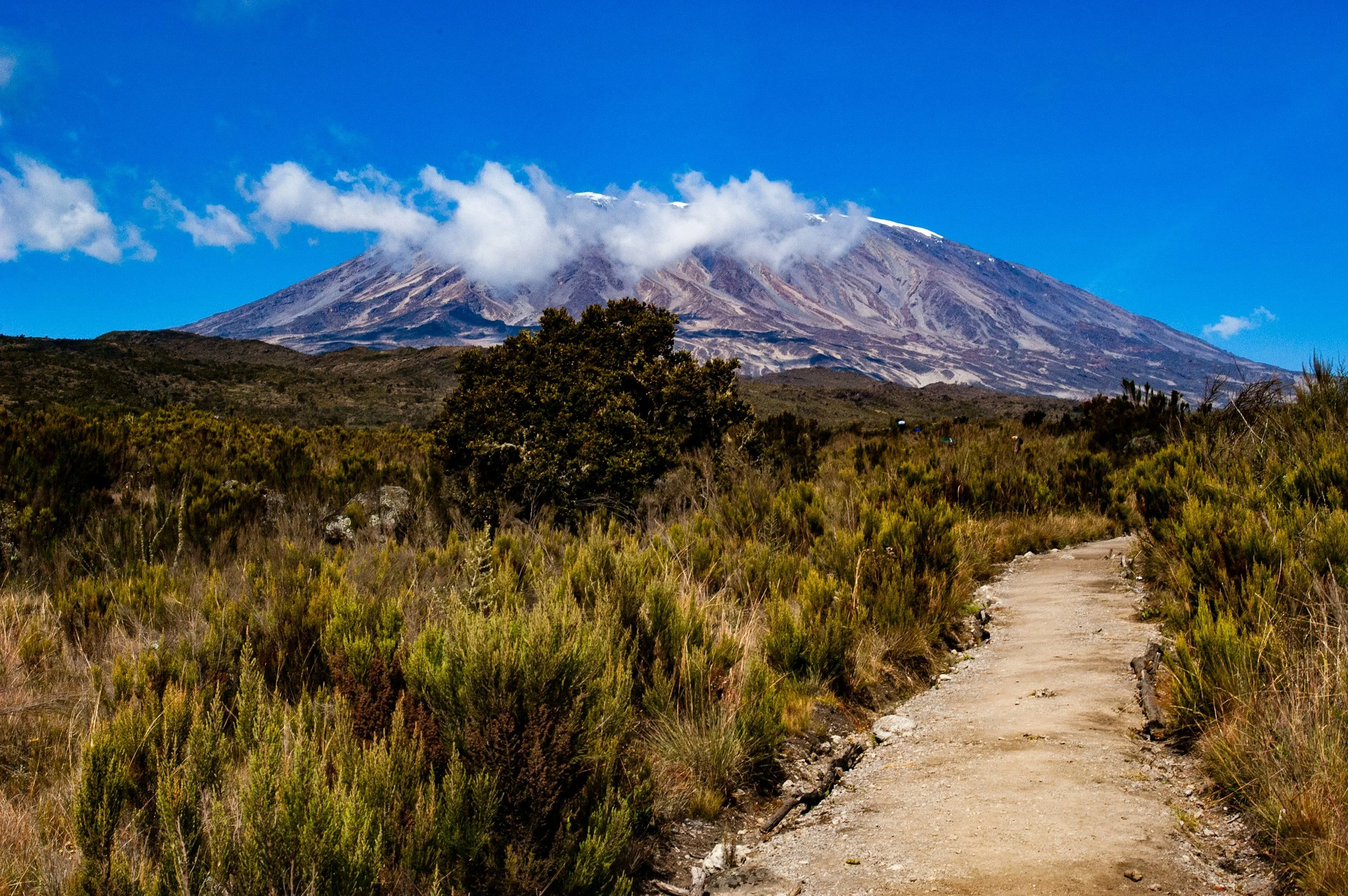
Why Tanzania (and why the place wasn’t the point)?
It All Begins Here
When people hear “Tanzania,” they tend to jump to conclusions. Big landscapes. Big animals. A sweeping narrative about loving a continent. It sounds exciting—and it’s also not what drove this decision.
The choice was much more practical than that.
Ash is doing this expedition the summer before their senior year of high school, which makes timing a real constraint, not an abstract one. This wasn’t a “someday” experience or a gap-year placeholder. It needed to fit cleanly into an academic arc that already includes college planning, applications, and—ideally—more focused opportunities down the line.
That’s where this program stood out.
The Tanzania expedition offered through the National Outdoor Leadership School (NOLS) isn’t just about being outdoors in an interesting place. It’s built around leadership development, environmental learning, and a service component designed with local communities—not bolted on for optics. That balance mattered. This needed to be an educational experience with structure and intention, not just an adventure with a charitable gloss.
Timing mattered just as much. Doing this before senior year allows space for reflection and application—both academically and personally—rather than cramming everything into the last possible moment. The hope is that future summers can be used differently: fellowships, internships, or work that builds more directly on whatever direction becomes clearer next.
And then there’s credibility. A solid organization. Clear expectations. Real preparation. A long track record of taking safety, ethics, and learning seriously. The decision wasn’t about chasing novelty or collecting impressive locations. It was about choosing a program that actually does what it says it does.
Tanzania is where all of those factors happened to line up. The environmental and cultural context adds depth to the experience—but it wasn’t the deciding factor on its own. If another program had offered the same structure, values, and timing somewhere else, it would have been just as strong a contender.
That’s not the most romantic explanation. It won’t fit neatly in a caption. But it reflects a more intentional way of thinking about education—especially before a year that’s already full of big decisions.
Sometimes the smartest choices aren’t about the place on the map.
They’re about choosing a program that fits the moment—and leaves room for what comes next.

Outdoor Leadership: Learning That Doesn’t Happen Sitting Down
Outdoor Leadership
High school does a decent job teaching you how to follow instructions. College expects you to make decisions. Sometimes good ones. Sometimes questionable ones. Usually without a rubric.
That gap—between being told what to do and figuring it out yourself—is where outdoor leadership comes in.
Outdoor education flips the usual script. Instead of lectures and bullet points, you’re handed responsibility. Instead of hypothetical scenarios, you’re dealing with real ones. Weather changes. Plans shift. People get tired. Someone has to notice. Someone has to speak up. Someone has to decide what matters most right now.
It turns out that’s a pretty good warm-up for adulthood.
Outdoor leadership programs are built around the idea that leadership isn’t a personality trait or a title—it’s a practice. It shows up in small moments: checking in on a teammate, changing course when something isn’t working, admitting when you don’t know the answer.
There’s also something useful about learning outside of classrooms right before heading into…more classrooms. When phones disappear and schedules simplify, attention sharpens. Conversations get better. You learn how you show up when things are uncomfortable, uncertain, or mildly chaotic—which is, frankly, most of college.
Environmental learning plays a role here too. Reading about climate change, land use, or conservation is one thing. Spending time in real landscapes makes those issues less abstract. You start to see how decisions made far away affect people and ecosystems up close. It’s harder to hand-wave systems you’ve actually lived inside of.
Programs like the National Outdoor Leadership School (NOLS) have been using this model for decades. The goal isn’t adventure for adventure’s sake. It’s learning how to think clearly, work with others, and make sound decisions when conditions aren’t ideal—which, again, is excellent college prep.
Is outdoor leadership a magic fix? No. You’ll still forget deadlines. You’ll still overcommit. You’ll still have moments of “why did I think this was a good idea?” But you’ll also have a better sense of your limits, your strengths, and how to adjust when plans fall apart.
At minimum, outdoor education offers a reminder worth carrying forward:
learning doesn’t only happen in classrooms, and leadership doesn’t start once someone puts you in charge.
Sometimes it starts earlier—with responsibility, curiosity, and figuring things out alongside other people who are also learning how to do that.